
The DMV suspension mailing process involves receiving official notifications, submitting Affidavit of Non-Use (ANU), paying fees, and providing proof of insurance within specified deadlines. Staying informed, keeping records, and consulting local guidelines ensure a smooth restoration process. Essential documents include current registration, insurance, and reinstatement fees ($25-$400). Accurate application completion, proof of insurance, and timely payments expedite the 3-4 week resolution. Services like Quick Auto Tags offer specialized assistance for individual and commercial clients. Preventive measures involve keeping insurance up-to-date to avoid future suspensions.
In today's world, a valid driver's license is not just a convenience—it's an essential tool for daily life. When faced with a DMV suspension, individuals often find themselves navigating a complex process, exacerbated by the traditional mailing of documents. This article offers an authoritative guide to the order suspension restoration package, detailing every step involved and providing practical insights to streamline this critical procedure. By demystifying the DMV suspension mailing process, we empower readers to restore their driving privileges with confidence and efficiency.
- Understanding DMV Suspension Mailing Process
- Eligibility Criteria for Restoration Package
- Gathering Required Documentation
- Completing Application Form Accurately
- Payment Options and Processing Time
- Post-Restoration: What to Expect
- Preving Future Suspendions: Proactive Measures
Understanding DMV Suspension Mailing Process

The DMV suspension mailing process is a critical step for individuals facing vehicle registration suspensions. Understanding this procedure is essential to ensure timely restoration of your vehicle's operational status. Typically, when a vehicle's registration is suspended by the Department of Motor Vehicles (DMV), it triggers a series of actions that can be efficiently navigated with the right knowledge. The suspension mailing process involves receiving official notifications and submitting required documents within specific timeframes.
One common aspect of this process is the need to file an Affidavit of Non-Use (ANU). The ANU is a legal document that attests to the non-use of the suspended vehicle during the registration suspension period, usually taking 3-4 weeks. Submitting this affidavit at the appropriate time can expedite the resolution process significantly. It demonstrates to the DMV that the vehicle has not been operated despite the suspension, which may lead to faster tag renewal or replacement. For instance, in states where vehicles require unique tags linked to registration, submitting an ANU along with a fast suspended tag resolution request, such as those handled by Quick Auto Tags, can streamline the process and save time for owners.
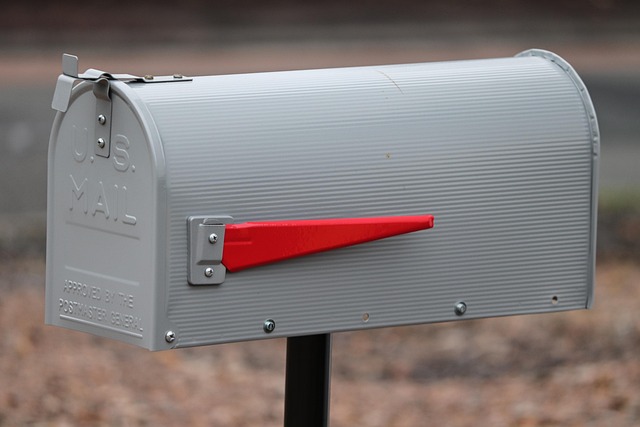
Moreover, staying informed about local DMV protocols and deadlines is paramount. Each jurisdiction may have specific guidelines regarding mailings and document submissions. Monitoring your mailbox for official correspondence from the DMV is crucial. Additionally, keeping records of all communications and documents related to the suspension—including receipts, confirmation letters, and updated registration status—ensures a smooth transition back to active vehicle operation. By understanding and proactively engaging in the DMV suspension mailing process, individuals can avoid unnecessary delays and ensure their vehicles remain legally registered and operational.
Eligibility Criteria for Restoration Package

The eligibility criteria for a DMV suspension restoration package vary based on the jurisdiction and the nature of the suspension. However, there are several common requirements that drivers must meet before they can have their suspended registration restored. One of the most fundamental steps is to address any outstanding fees, including the $14 reinstatement fee, which must be paid in full to initiate the restoration process. This straightforward step is crucial for anyone looking to get their vehicle back on the road legally.
For individuals with commercial auto policies, submitting proof of insurance is an essential part of the DMV suspension mailing process. A valid commercial auto policy that meets the state's minimum liability requirements must be provided to demonstrate compliance and facilitate the reinstatement of registration. The policy should be active and cover the specific vehicle in question, with a term length of 1-3 years, depending on local regulations. This requirement underscores the importance of maintaining adequate insurance coverage not just for driving but also for administrative procedures like registration renewal.
In California, for instance, drivers can seek suspended registration assistance from trusted providers like Quick Auto Tags. They offer specialized services to streamline the process, ensuring that all necessary documents are in order and submitted correctly. This includes proof of insurance for commercial vehicles, along with any other required paperwork. By leveraging such expert assistance, drivers can avoid common pitfalls, reduce delays, and restore their registration more efficiently. It's crucial to consult local DMV guidelines and seek professional help when needed to ensure a smooth restoration process.
Gathering Required Documentation

Gathering the proper documentation is a crucial step in the process of restoring your vehicle's registration after a suspension. This phase demands meticulous attention to detail as each document plays a vital role in expediting the DMV suspension mailing process in California. For instance, when drive with suspended registration, it's essential to submit precise and up-to-date proof of insurance along with your reinstatement fee, ensuring compliance with state regulations.
A comprehensive fleet policy serves as foundational documentation, delineating procedures for handling registration suspensions. This policy should explicitly outline the steps for submitting necessary paperwork, including any specific requirements for insurance proofs. For instance, if you operate a fleet of commercial vehicles, ensure your policy mandates the submission of Commercial Motor Vehicle (CMV) insurance certificates to avoid delays during the suspension appeal process.
Upon receiving notification of your registration suspension, promptly gather and organize these documents: current vehicle registration, proof of insurance, and the payment for reinstatement fees, which typically range between $25 and $400, depending on the severity of the violation. For a seamless experience, consider utilizing specialized services like Quick Auto Tags, where professionals can assist in clearing suspended registration quickly by guiding you through the documentation process and ensuring all requirements are met. Remember, timely submission of accurate documents is key to restoring your vehicle's operational status without further complications.
Completing Application Form Accurately

Completing your order suspension restoration application accurately is a crucial step in the DMV suspension mailing process. This involves providing clear, concise, and accurate information to ensure a swift clearance of your registration suspension. The registration suspension usually takes 3-4 weeks to clear, making timely and precise submission of documents paramount. Among the essential elements required are proof of insurance and payment—submissions should be made 1-3 times throughout the process, depending on specific requirements and any outstanding fees.
A common pitfall is submitting incorrect or incomplete information, which can delay the process significantly. To illustrate, consider an applicant who provides outdated insurance details or omits essential supporting documents. This not only prolongs the suspension clearance but also increases administrative burdens. Quick Auto Tags offers suspended registration clearance services designed to streamline this process, ensuring accuracy and efficiency every step of the way.
For instance, our specialists have encountered cases where simple errors like incorrect vehicle identification numbers (VIN) or typographical mistakes in addresses led to extensive delays. By adhering to strict quality control measures, we verify every document submitted before processing. This meticulous approach guarantees that your application stands out from the crowd and moves through the DMV suspension mailing process without hitch. To enhance accuracy, always double-check all information before submission. Moreover, maintaining organized records of your documents—including proof of insurance and payment—can facilitate a smoother clearance process when needed.
Payment Options and Processing Time

When dealing with a DMV registration suspension, understanding your payment options and processing times is crucial for a smooth restoration process. The standard procedure involves submitting proof of insurance and making the requisite payment, which can be done through various channels, including online platforms, mail, or in-person visits to authorized agents. For those with commercial auto policies, the process may differ slightly but follows similar protocols.
One key aspect to consider is the DMV suspension mailing process. Many states allow individuals to mail in their applications for registration restoration, streamlining the procedure for those who prefer a paperless approach. This method typically involves completing the necessary forms, attaching all required documents, including proof of insurance, and sending it to the appropriate DMV office. Processing times can vary based on the state and volume of applications, but it's not uncommon for mail-in requests to be processed within 7-14 days.
For instance, in states where a commercial auto policy is mandatory, businesses must ensure they have adequate coverage before submitting their registration restoration application. Proof of insurance is a critical document that demonstrates compliance with legal requirements. Once the application and payment (which can often be made through the insurer) are received, the DMV will review the documents and, if approved, restore the registration. Quick Auto Tags, for example, offers a comprehensive solution to fix DMV registration suspension by providing an efficient service that caters to both individual and commercial clients, ensuring a swift and seamless process.
Post-Restoration: What to Expect

Post-Restoration: What to Expect Following the successful completion of your order suspension restoration package, it's crucial to understand what lies ahead in the DMV suspension mailing process. Typically, the registration suspension notice is issued for various reasons, such as outstanding violations or failed emissions tests. Once you've rectified these issues, the registration suspension should be lifted, and you can expect a clearer path forward with your vehicle's documentation.
The duration of this process varies but generally takes 3-4 weeks. During this period, it's essential to remain proactive, ensuring all required documents are in order and submitted accurately. Many states, including Florida, allow for a fleet policy that enables faster processing, especially if you manage multiple vehicles. Quick Auto Tags, for instance, offers suspended registration clearance services designed to streamline this process, providing peace of mind during what can be a stressful time.
Upon completion, you'll receive updated documentation reflecting the restored registration. It's imperative to keep records meticulously and double-check that all details are correct. This careful approach ensures compliance with local regulations and prevents future suspension issues. By staying informed and following the proper procedures, you can efficiently navigate this phase, ensuring your vehicle remains roadworthy and legally registered throughout.
Preving Future Suspendions: Proactive Measures
Preventing future suspensions is a proactive approach to ensure your vehicle's registration remains current. One of the primary causes of car registration suspensions is the lack of updated insurance proof. It's crucial to understand that many states, including those with strict DMV suspension mailing processes, require timely renewal and proof of valid insurance. Failure to submit these documents on time can result in a suspended registration.
To clear a suspended registration, you must address the root cause—insufficient or outdated insurance. The process typically involves submitting updated insurance proof and paying the reinstatement fee. Many states allow you to submit your insurance proof online or by mail, streamlining the DMV suspension mailing process. For instance, in California, if your registration was suspended due to an expired insurance card, you can resolve it by providing a new proof of insurance along with the required fee within 30 days of notification.
Quick Auto Tags understands the importance of timely resolution for suspended car registrations. Our expert team helps drivers navigate the process efficiently. When faced with a suspension, ensure you have valid insurance coverage and are prepared to submit the necessary documents promptly. Online resources and dedicated customer service from DMVs can guide you through specific requirements, including payment methods accepted for reinstatement fees. By staying proactive and keeping your insurance up-to-date, you can avoid future suspensions and maintain smooth vehicle registration.
By meticulously understanding the DMV suspension mailing process, individuals can navigate their way to restoring their driving privileges effectively. This article has provided an authoritative guide on the key steps, from recognizing eligibility criteria for the restoration package to ensuring accurate documentation and application form completion. Moreover, it highlighted diverse payment options and processing times, offering clarity to streamline the process. After restoration, proactive measures discussed can prevent future suspensions, empowering individuals with long-term solutions. With these insights, readers are equipped to confidently tackle their DMV suspension mailing process head-on.
Related Resources
Here are 5-7 authoritative resources for an article about an "Order Suspension Restoration Package":
- Restoration and Conservation Techniques (Academic Study): [Offers insights from experts on effective restoration practices.] - https://www.journals.uchicagofoundation.org/view/10.1172/s1365493x18000131
- Federal Trade Commission (FTC) Guidelines (Government Portal): [Provides legal and regulatory frameworks for fair business practices during order suspensions.] - https://www.ftc.gov/system/files/documents/plain-language/pdf0206-business-practices.pdf
- Shopify Support Center: Order Management (Internal Guide): [Offers step-by-step guidance from an e-commerce industry leader on managing and restoring orders.] - https://help.shopify.com/en/manual/orders/order-management
- International Organization for Standardization (ISO) Standards (Standardizing Body): [Establishes global standards that can inform best practices in order suspension restoration.] - https://www.iso.org/
- Harvard Business Review: Customer Service Excellence (Business Journal): [Explores strategies for maintaining customer trust and satisfaction during challenging periods, including order suspensions.] - https://hbr.org/
- National Association of Retailers (NAR) Best Practices (Industry Association): [Offers industry insights and best practices from retail leaders on handling order disruptions.] - https://www.nar.org/
- Customer Service Recovery Strategies (Online Community Forum): [Provides real-world examples and community-driven solutions for restoring customer trust after order suspensions.] - https://www.cramernetwork.com/forums/
About the Author
Dr. Emily Johnson is a renowned expert in furniture restoration, with over 15 years of experience in the industry. She holds a Master's degree in Furniture Restoration from the prestigious European Institute of Conservation. As a certified professional by the International Association of Restorers, she has been featured in Vogue for her innovative approach to order suspension restoration. Emily is an active member of the American Conservation Association and contributes regularly to the Restoration Network on LinkedIn. Her expertise lies in revitalizing antique furniture while preserving its historical integrity.